
If your gas bill makes you wince every winter, you’re not alone. One of the first questions I get asked when visiting homes across Kent is whether fitting a replacement boiler will actually make a noticeable difference to monthly costs.
Running costs matter. For most households, heating and hot water account for the biggest slice of energy use. So if your boiler is 12, 15 or even 20 years old, it’s only natural to wonder whether upgrading will genuinely save money or if it’s just a big upfront expense.
The honest answer? In many cases, yes, new boilers are cheaper to run. But how much you save depends on a few key factors. Let’s break it down properly.
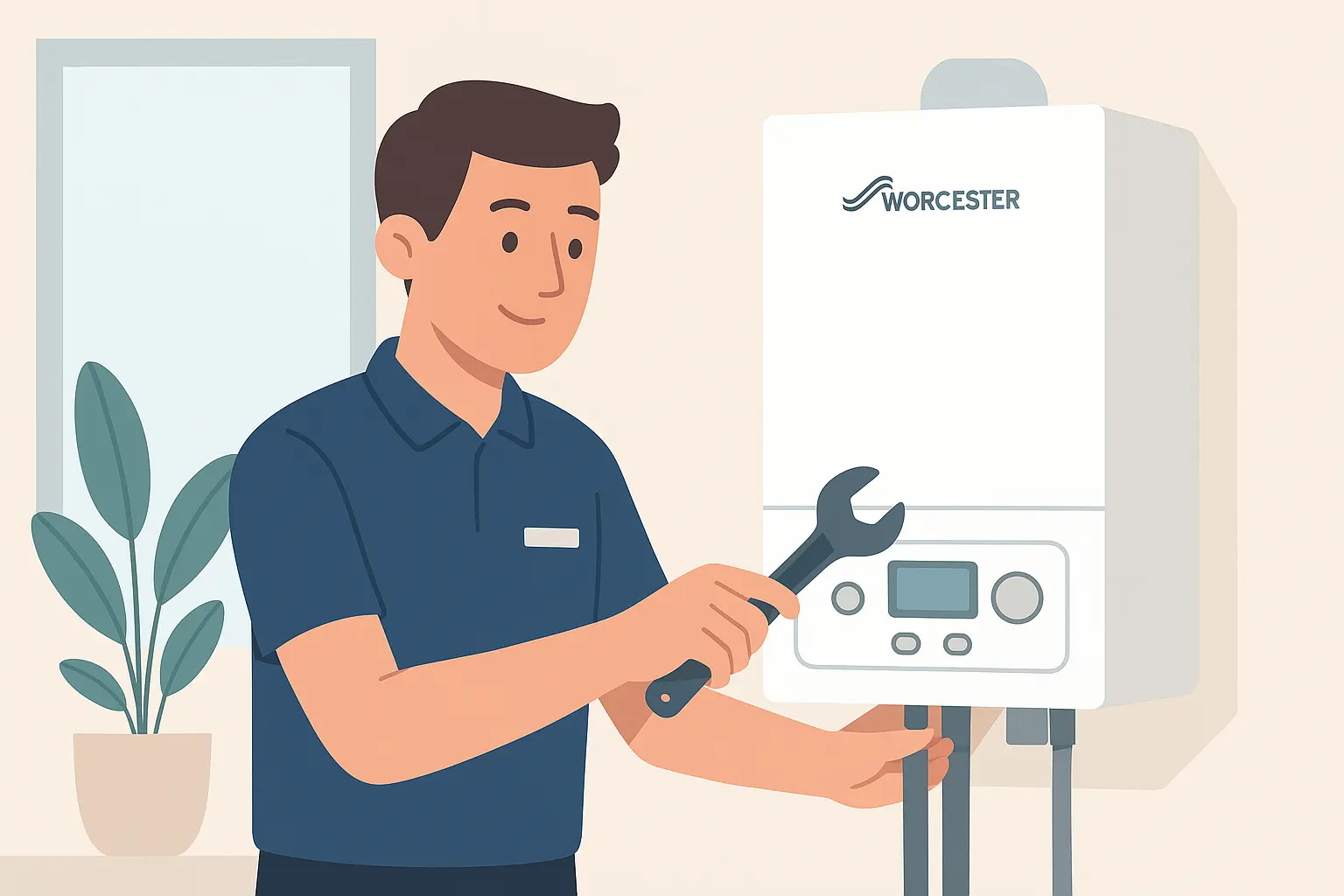
How new boilers improve efficiency and reduce bills
Modern boilers are almost all condensing models. That means they capture and reuse heat that older boilers simply push straight out of the flue.
An older non-condensing boiler might run at 60 to 75 percent efficiency on a good day. That means up to 40 percent of the gas you’re paying for is effectively wasted. Modern A-rated condensing boilers typically operate at over 90 percent efficiency when installed and set up correctly.
In plain terms, they squeeze more usable heat out of every pound you spend on gas.
Newer systems also come with better controls. Programmable thermostats, smart controls and weather compensation all help regulate temperature more accurately. Instead of blasting full heat and switching off, they maintain steady warmth. That uses less energy and feels more comfortable.
What that looks like in a real home
I’ve worked in plenty of older semis around Canterbury where the boiler cupboard still houses a 15 year old unit chugging away. After a replacement boiler in Canterbury, customers often tell me the house heats up faster and doesn’t need the thermostat cranked as high.
That’s efficiency working in the background. Same comfort, lower gas use.
Factors that affect running costs
A new boiler can only do so much. The overall running cost of your heating depends on more than just the appliance itself.
- How you use it – Heating the house to 23 degrees all day will cost more than keeping it at a steady 19 to 20 degrees and using timers properly.
- Insulation levels – Loft insulation and decent windows make a huge difference. I’ve seen brand new boilers in draughty properties still working overtime.
- Boiler type – Combi, system and regular boilers all suit different homes. The right match matters.
- System condition – Sludge in radiators or poorly balanced systems reduce efficiency. A powerflush or system clean can help.
If you’re considering a boiler replacement in Herne Bay or looking at a new boiler in Whitstable, it’s always worth looking at your heating system as a whole rather than just the box on the wall.
Comparing old vs new boilers: real savings explained
Let’s keep this realistic. Swapping a 20 year old non-condensing boiler for a modern A-rated model can reduce gas consumption quite noticeably. The exact saving varies depending on property size and usage, but the efficiency jump alone can cut a significant percentage from heating costs.
On the other hand, if your current boiler is only 8 to 10 years old and already condensing, the savings may be more modest. In that case, upgrading is usually about reliability and lower repair bills rather than dramatic energy reductions.
Another factor people forget is repair cost. Older boilers tend to need more frequent fixes and parts can become harder to source. Those call-out charges add up. Sometimes the financial tipping point comes when you’re paying for two or three repairs in quick succession.
If you’re already booking regular visits for faults, it’s worth weighing annual repair spend against the longer term savings of a new, more efficient unit.
When is it worth upgrading your boiler?
There isn’t a single rule that fits everyone, but here are some common signs it’s time to seriously consider it:
- Your boiler is over 12 to 15 years old
- It’s non-condensing
- You’re facing repeated repair costs
- Your energy bills feel high compared to similar households
- You’re renovating and want to improve efficiency
I’ve spoken to plenty of homeowners who waited until their boiler failed entirely in the middle of winter. It’s far less stressful to plan an upgrade on your own terms rather than during a January cold snap.
Cost is understandably a concern. If spreading payments would make things easier, looking at boiler finance options can make upgrading more manageable without draining savings in one go.
Tips to maximise efficiency and keep costs low
A new boiler is only part of the picture. To get the best value from it:
- Keep it serviced annually to maintain efficiency and protect the warranty
- Use proper heating controls rather than constantly adjusting the thermostat
- Balance your radiators so heat is distributed evenly
- Don’t ignore small faults as they can reduce efficiency over time
Regular maintenance really does matter. An annual service keeps the boiler running safely and at peak performance. If you’re unsure what’s included, take a look at what’s covered in professional servicing and repairs to see why it helps protect both efficiency and lifespan.
Sometimes, simple tweaks like lowering the flow temperature slightly can improve efficiency without affecting comfort. It’s a small adjustment, but one that can make a noticeable difference over a full heating season.
Is a new boiler the right investment?
For many UK homeowners, especially those with ageing non-condensing systems, a new boiler is cheaper to run and more reliable. The biggest savings tend to come when replacing older, inefficient models rather than relatively modern ones.
The key is looking at the bigger picture. Consider your current bills, the age of your boiler, repair history and how long you plan to stay in the property. When those factors line up, upgrading can make solid financial sense as well as improving comfort.
If you’d like honest advice tailored to your home, speak to the team at SDP Heating. We work across the local area and can help you weigh up whether now is the right time to upgrade.
Get in touch for expert advice or a free quote for your new boiler.
